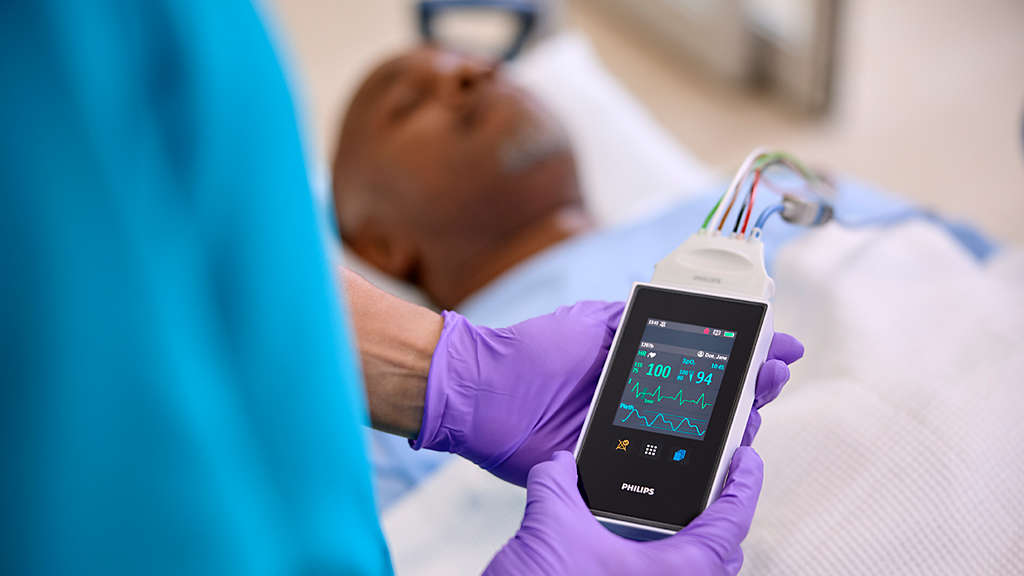
Telemetry monitoring is one of the most operationally demanding equipment categories in a hospital biomedical program. Unlike stationary bedside devices, telemetry systems involve multiple interdependent components — transmitters, receivers, central stations, and the network infrastructure that connects them — spread across large clinical areas and in continuous use. Managing this complexity effectively requires a structured approach that addresses equipment availability, maintenance compliance, and technical support across all components of the telemetry system.
For biomedical teams responsible for telemetry fleet management, these best practices provide a practical foundation for improving system reliability and reducing the operational burden on both clinical and technical staff.
Maintain a Complete and Current Equipment Inventory
Telemetry equipment is mobile by definition, which makes accurate inventory tracking a persistent challenge. Transmitters move with patients, receivers get relocated during unit reconfigurations, and accessories migrate between storage locations without consistent documentation. Without a reliable inventory record, biomedical teams cannot effectively schedule PM, respond to recalls, or identify gaps in system capacity.
Asset tagging technology has largely solved this problem for facilities willing to invest in it. Passive tag systems with sufficient read range can track transmitter and receiver locations in real time without requiring manual check-in processes from clinical staff. The combination of accurate inventory data and automated location tracking gives biomedical teams the visibility they need to manage telemetry fleets proactively rather than reactively.
Follow Manufacturer-Specific PM Protocols
Telemetry PM is not a one-size-fits-all process. Philips IntelliVue transmitters, GE ApexPro receivers, and Nihon Kohden monitoring platforms each have distinct service requirements, calibration procedures, and acceptable performance tolerances defined by their respective manufacturers. Biomedical teams servicing these systems — or selecting service partners to do so — should ensure that the technicians performing maintenance hold relevant manufacturer certifications and work from current OEM service documentation.
PM intervals for telemetry equipment should also account for actual utilization rather than defaulting to calendar-based schedules alone. High-utilization transmitters in busy step-down units may require more frequent battery checks and functional testing than the same model used in a lower-acuity setting.
Plan for Peak Demand and Transition Periods
Telemetry demand in a hospital is rarely constant. Seasonal admission surges, unit reconfigurations, and system shutdown transitions all create periods where the permanent telemetry fleet may be insufficient to meet clinical needs. Biomedical teams should work with nursing leadership and administration to anticipate these demand spikes and plan supplemental equipment coverage in advance rather than scrambling for solutions after the need has already exceeded available capacity.
Rental telemetry programs offer a practical solution for these scenarios. Equipment rented from a qualified provider should be compatible with the facility’s existing central monitoring infrastructure — transmitters and receivers that integrate seamlessly with current central stations eliminate the configuration complexity that can delay deployment during time-sensitive transitions.
Maintain Survey-Ready Documentation at All Times
Telemetry equipment is among the device categories most frequently reviewed during Joint Commission and DNV surveys. Complete, accessible PM records for every transmitter and receiver in service are not optional — they are a requirement. Biomedical teams that rely on paper-based or fragmented digital records face unnecessary risk during survey preparation and can struggle to produce required documentation quickly when inspectors ask for it.
Centralized service history platforms that log every PM completion, repair event, and calibration record with timestamps and technician credentials provide the documentation discipline that modern compliance environments demand. When every service event is automatically recorded and retrievable, survey preparation becomes a reporting exercise rather than a documentation reconstruction project.