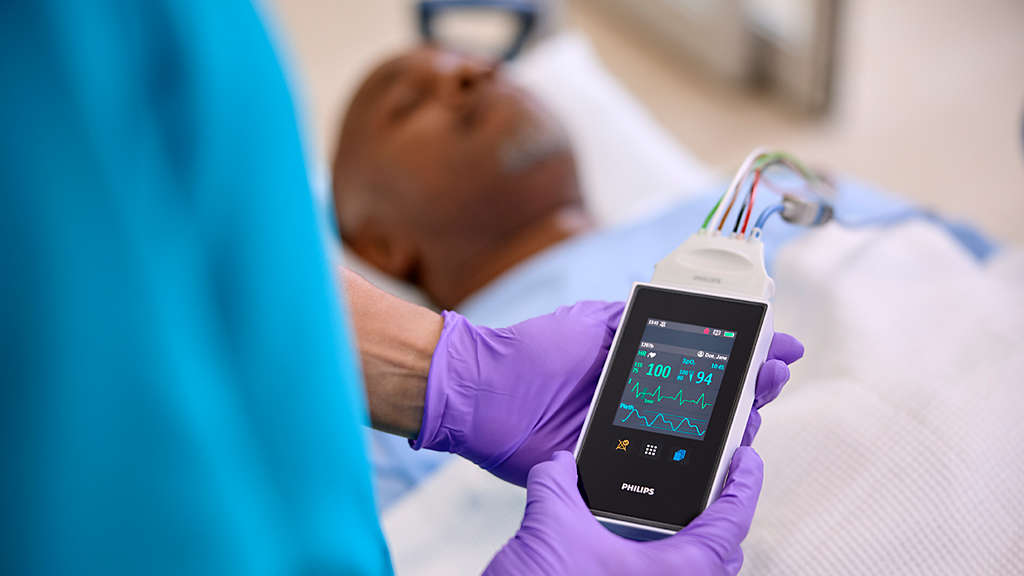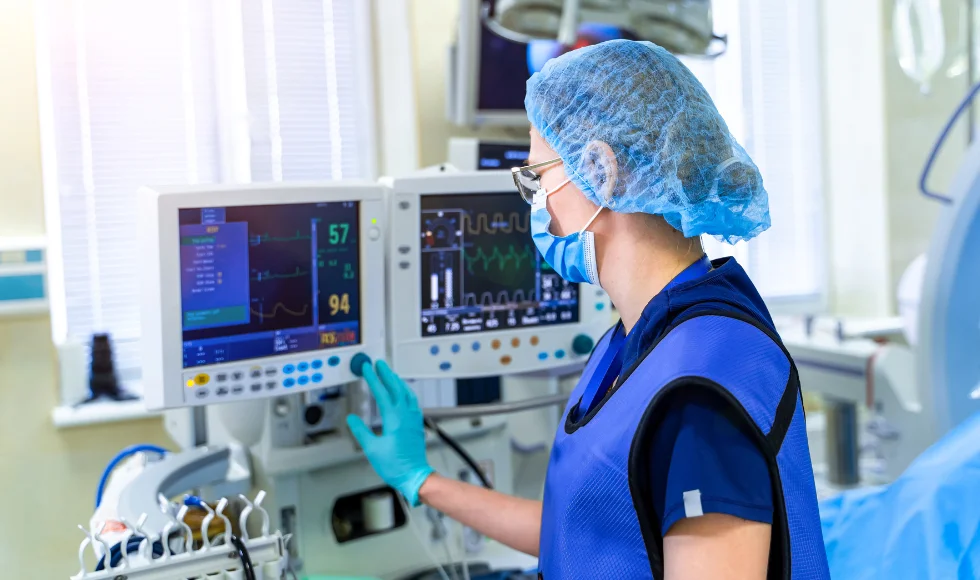
The decision to rent or purchase medical equipment is rarely straightforward. For hospital administrators, biomedical directors, and supply chain managers, the choice involves balancing capital budgets, operational flexibility, maintenance obligations, and the unpredictable demands of patient census. Both approaches have genuine advantages — the right choice depends on how the equipment will be used, how long it will be needed, and what resources the facility has available to manage it.
Understanding the practical implications of each option is the first step toward making decisions that serve both the facility’s financial interests and its clinical mission.
The Case for Renting
Equipment rental makes the most sense when the need is temporary, variable, or uncertain. Seasonal patient volume surges are the clearest example: a facility that sees a predictable increase in respiratory admissions every winter can rent additional ventilators and monitoring equipment for that period rather than purchasing units that will sit idle for the rest of the year. The same logic applies to unit reconfigurations, new service line launches where demand is unproven, and system shutdown transitions that require temporary equipment coverage.
The financial advantage of renting in these scenarios is significant. Capital expenditure is avoided entirely, and the cost of equipment is converted to a predictable operating expense that scales with actual usage. Equally important, maintenance and service responsibility shifts to the rental provider. Every unit delivered by a qualified rental partner should arrive patient-ready and fully documented — the facility receives the clinical benefit of the equipment without inheriting its maintenance burden.
Rental programs also provide access to a broader range of equipment than most facilities could justify purchasing outright. A hospital that rarely needs ultrasound-guided procedures in a specific unit, for example, can rent a system for those cases rather than purchasing a dedicated unit that may be underutilized.
When Purchasing Makes More Sense
For equipment in continuous, long-term use, purchasing typically offers better total cost of ownership than an indefinite rental. Once a device has been in continuous rental for an extended period, the cumulative rental cost often exceeds what the facility would have paid to own the same unit. At that crossover point, ownership becomes the more economical choice — assuming the facility has the biomedical capacity to manage maintenance obligations.
Certified-refurbished equipment offers a compelling middle path for facilities looking to purchase without paying OEM list pricing. Units that have undergone rigorous refurbishment — including assessment, cleaning, quality testing, calibration, and full documentation — can deliver OEM-equivalent performance at a fraction of the new cost. For high-utilization devices where ownership is clearly the right long-term decision, refurbished equipment allows facilities to build out their fleets cost-effectively.
Making the Decision
The most practical framework for this decision starts with three questions: How long will this equipment be needed? How predictable is that need? And does the facility have the biomedical resources to manage its maintenance effectively?
Short-term or variable needs point toward rental. Long-term, stable needs with adequate biomedical support point toward purchase. For facilities that operate somewhere in between — managing a mix of permanent fleet equipment and supplemental capacity — a combination of owned and rented equipment is often the most practical and cost-effective approach. A trusted equipment partner can help evaluate these factors and structure a program that aligns with both clinical requirements and financial constraints.