In the day-to-day operations of a hospital, medical equipment is expected to work — every time, without exception. When a patient monitor goes offline during a shift, when an infusion pump triggers an unexpected alarm, or when a ventilator requires an unscheduled repair in the middle of a busy floor, the consequences extend far beyond inconvenience. Unplanned equipment downtime disrupts patient care, creates additional workload for clinical staff, and drives up the cost of equipment management for biomedical teams already working at capacity.
The most effective tool healthcare facilities have against unplanned downtime is one that has existed for decades: a structured, consistently executed preventive maintenance program. Despite its straightforward logic — maintain equipment on schedule before it fails — PM programs remain one of the most inconsistently applied practices across hospital biomedical departments. Understanding why PM matters, and what makes a PM program effective, is essential for any facility looking to reduce equipment-related disruptions to patient care.
The Real Cost of Reactive Equipment Management
Many facilities default to a reactive approach to equipment maintenance — addressing problems when they arise rather than preventing them through scheduled service. On the surface, this can appear cost-effective: why spend resources maintaining equipment that is currently working? The problem is that reactive management consistently produces higher total costs than preventive programs when all factors are accounted for.
When equipment fails unexpectedly, the immediate costs include emergency repair labor, expedited parts sourcing, and rental replacement equipment to cover the gap. Less visible but equally significant are the indirect costs: nursing staff time spent working around unavailable equipment, biomedical team hours diverted from other work to handle the emergency, and the potential for compliance findings if the failure reveals gaps in maintenance documentation.
What Makes a PM Program Effective
An effective preventive maintenance program has three core components: the right schedule, the right people, and the right documentation. The schedule should be based on each device’s OEM-specified maintenance intervals, adjusted for actual utilization patterns at the facility. A device that runs 24 hours a day in a busy ICU may require more frequent service than the same device used intermittently in an outpatient setting.
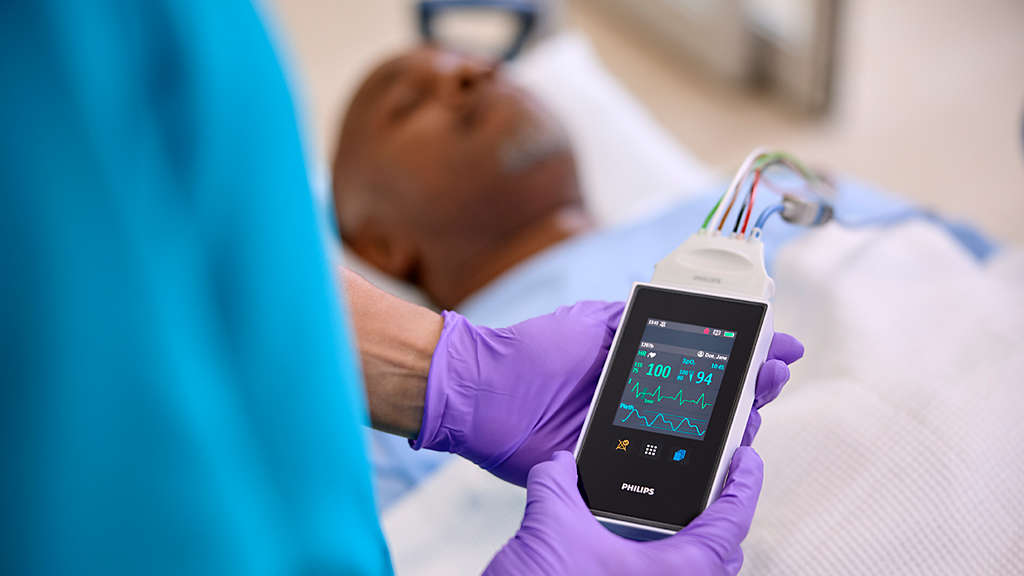
The people performing the work matter as much as the schedule itself. Manufacturer-certified technicians understand the specific diagnostic procedures, calibration tolerances, and replacement part specifications that OEMs build into their service protocols. A technician performing a PM on a Philips IntelliVue system, for example, should be working from the same documentation that Philips’ own service team uses — not a generalized procedure that may miss device-specific requirements.
Documentation is the third critical component, and for many facilities it is the most vulnerable. Joint Commission, DNV, and CMS surveys all scrutinize PM records, and incomplete or missing documentation can result in compliance findings regardless of whether the actual maintenance work was performed. A PM program that generates complete, timestamped, survey-ready records at every service event eliminates this risk entirely.
Technology’s Role in Modern PM Management
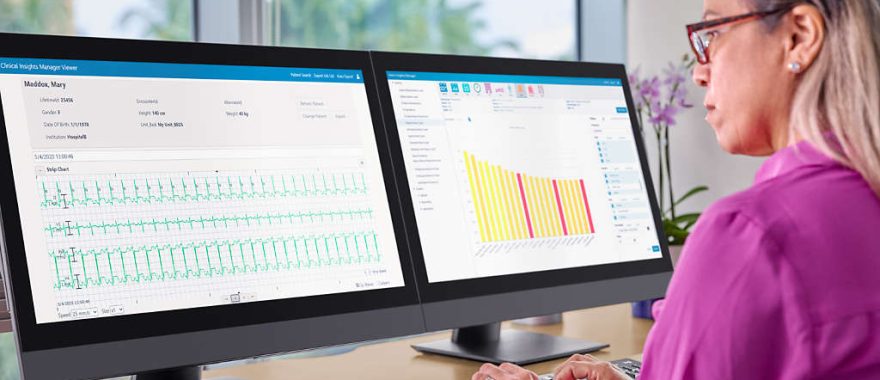
Modern equipment management platforms have made it significantly easier for facilities to stay ahead of PM schedules without relying on manual tracking. Automated alerts pushed to designated contacts before maintenance windows close, real-time visibility into which devices are approaching their PM deadlines, and integrated service history accessible from any device have transformed what was once a spreadsheet-and-phone-call process into a proactive, data-driven discipline.
For facilities managing large equipment fleets across multiple units, this kind of technology-driven PM oversight is no longer a luxury — it is a practical necessity. The combination of scheduled service, certified technical expertise, and real-time documentation gives hospitals the foundation they need to keep equipment running reliably and clinical teams focused on patient care rather than equipment troubleshooting.